White Noise, Earplugs and Pillows for Long Bus Rides
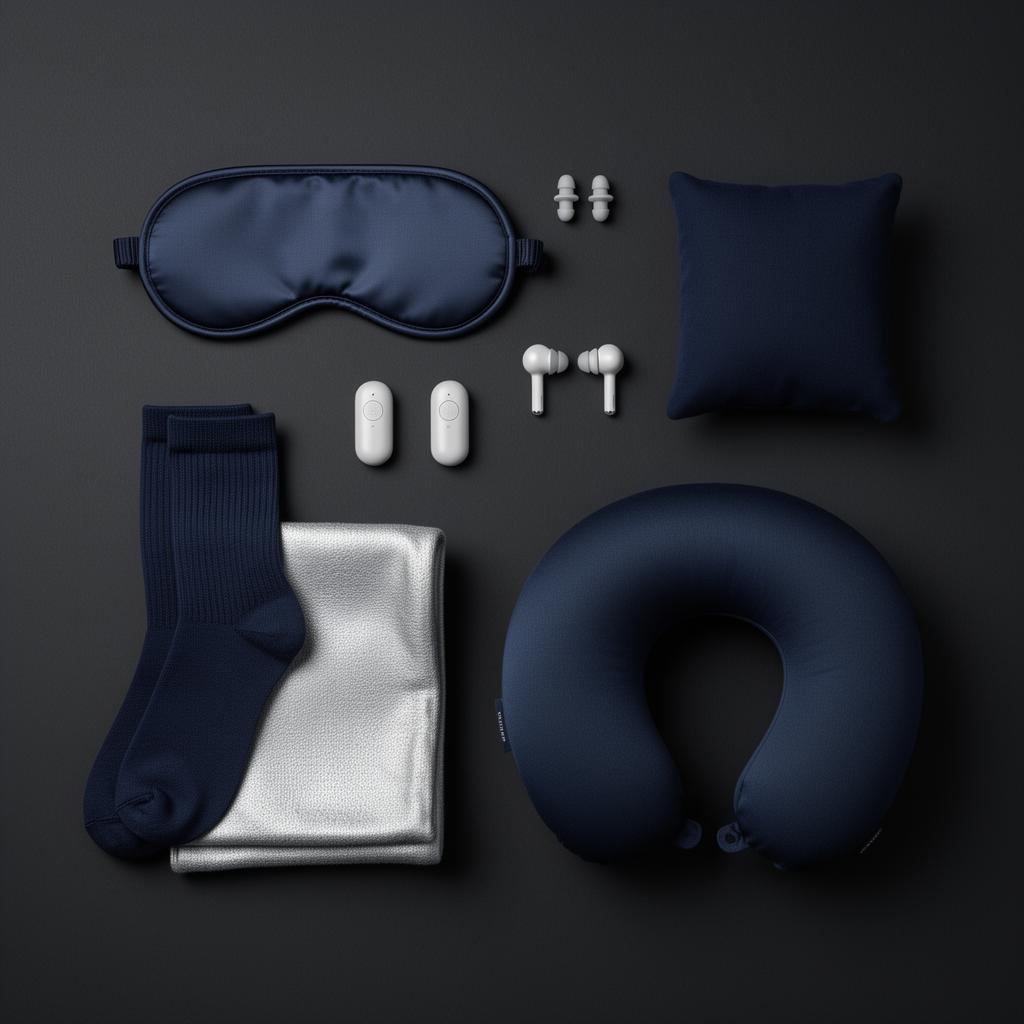
For a long bus ride, start with well-fitted earplugs, and add white noise through headphones at a low volume if you need more masking. Keep the volume low enough to hear your stop being called. Then add a pillow that holds your head steady, so you can rest through the turns, stops and starts.
Why is sound so hard to manage on a bus?
A bus mixes steady noise with sudden noise. The engine and the road make a constant background, while phone calls, conversations, doors and stop announcements come and go. Your plan needs to handle both.
You also cannot shut it all out. You need to hear your stop, instructions from the driver and any change of plan. The goal is to turn the noise down, not off.
Which earplugs work best on a bus?
There is no single best earplug. NIOSH, the CDC's workplace safety institute, says comfort is a personal choice and no single hearing protector will be the most comfortable for everyone. It also notes that the noise reduction rating on the package often does not reflect the protection a given person actually gets, so a good fit matters more than the number.
- Foam earplugs are rolled thin, inserted, and expand to fill the ear canal. They are small, light and easy to replace.
- Wax earplugs are rolled into a ball and molded over the outer part of the ear canal rather than pushed deep inside it.
- Flanged silicone earplugs are pre-shaped plugs with ridges, made to fit most ears.
- Custom-molded earplugs are made from a mold of your own ear, for a precise fit.
Earplugs made for sleep aim to be as comfortable as possible while blocking outside sound. On a bus you may lean your head against a window or a pillow, so try your plugs lying on your side at home before the trip.
How to fit foam earplugs
NIOSH says most of the foam body of the plug should sit inside the ear canal, and it teaches a three-step method to get it there. Start with clean hands, so you do not carry dirt and germs into your ears.
- Roll the earplug into a thin, tight snake with your fingers.
- Pull the top of your ear up and back with your other hand to straighten the ear canal.
- Hold the plug in with a fingertip until it expands to fill the canal.
To check the fit, cup your hands tightly over your ears. If sounds get much quieter with your hands in place, the plug may not be sealing well, so take it out and try again.
Does white noise help you sleep on a bus?
White noise works by masking. Its steady hiss, which sounds a lot like static, can cover other sounds around you. Pink noise shifts more of the sound to lower frequencies, and brown noise is softer still, which some people find calmer.
The evidence is mixed, so treat it as something to test. Cleveland Clinic points to a 2020 review of 38 studies that found limited evidence that continuous noise improves sleep, and a 2022 review of 34 studies that found no strong evidence for noise machines. Some people still find it soothing, so it is worth a try on your next ride.
For app ideas, see our roundup of white noise and ambient sound apps for travelers. Download your sounds before the trip, since bus Wi-Fi and cell signal can drop out.
How loud is too loud in headphones?
It is tempting to turn the volume up to beat the bus. Resist it. The National Institute on Deafness and Other Communication Disorders (NIDCD) says sounds at or below 70 A-weighted decibels (dBA) are unlikely to cause hearing loss, even after long exposure, while long or repeated exposure at 85 dBA or above can cause hearing loss. It lists music through headphones at maximum volume at 94 to 110 dBA.
On a six-hour ride, keep white noise low, just loud enough to blur the background. If you still hear too much, improve the seal of your earplugs or try noise-canceling headphones rather than more volume. Our comparison of noise-canceling headphones and earplugs covers the trade-offs.
How do you keep your head supported on a bus?
When you doze sitting up, your head drops forward or rolls toward the window or the aisle. A pillow that supports both the chin and the sides of the neck helps keep it steady through braking and turns.
The Nodless Travel Pillow is designed for this kind of upright rest, with 360-degree chin and neck support and an adjustable closure. In a window seat, lean into the wall with the pillow between your head and the glass. Set a vibrating alarm for shortly before your stop, so you are not relying on the announcement alone.
Frequently asked questions
Are foam or silicone earplugs better for sleeping on a bus?
Neither is best for everyone. Foam plugs are rolled thin and expand to fill the ear canal, wax plugs are molded over the opening of the canal, and flanged silicone plugs are pre-shaped to fit most ears. NIOSH notes that comfort is a personal choice. Try a few types at home, lying down, and bring the pair you will actually keep in.
Is it safe to sleep with earplugs in?
There are a few things to watch. Cleveland Clinic lists frequent earplug use as a cause of earwax buildup, so do not push plugs in deeper than you need to. Use clean hands, replace foam plugs often and never force them. If you notice ear pain, a feeling of fullness or changes in your hearing, talk to your doctor.
How loud should white noise be?
Low. Set it just loud enough to soften the background, not to drown it out. The NIDCD says sounds at or below 70 dBA are unlikely to cause hearing loss, even with long exposure, while long or repeated exposure at 85 dBA or above can. Use a sleep timer, so the sound does not play for the whole ride.
How do I make sure I do not miss my stop?
Do not rely on hearing the announcement through earplugs. Set a vibrating alarm on your phone or watch for 15 to 20 minutes before your scheduled arrival, and check your location on a map when you wake. Tell the driver your stop when you board if you can, and loosen one earplug as you get close.