Sleeping in Airports: A Practical Guide to Getting Real Rest
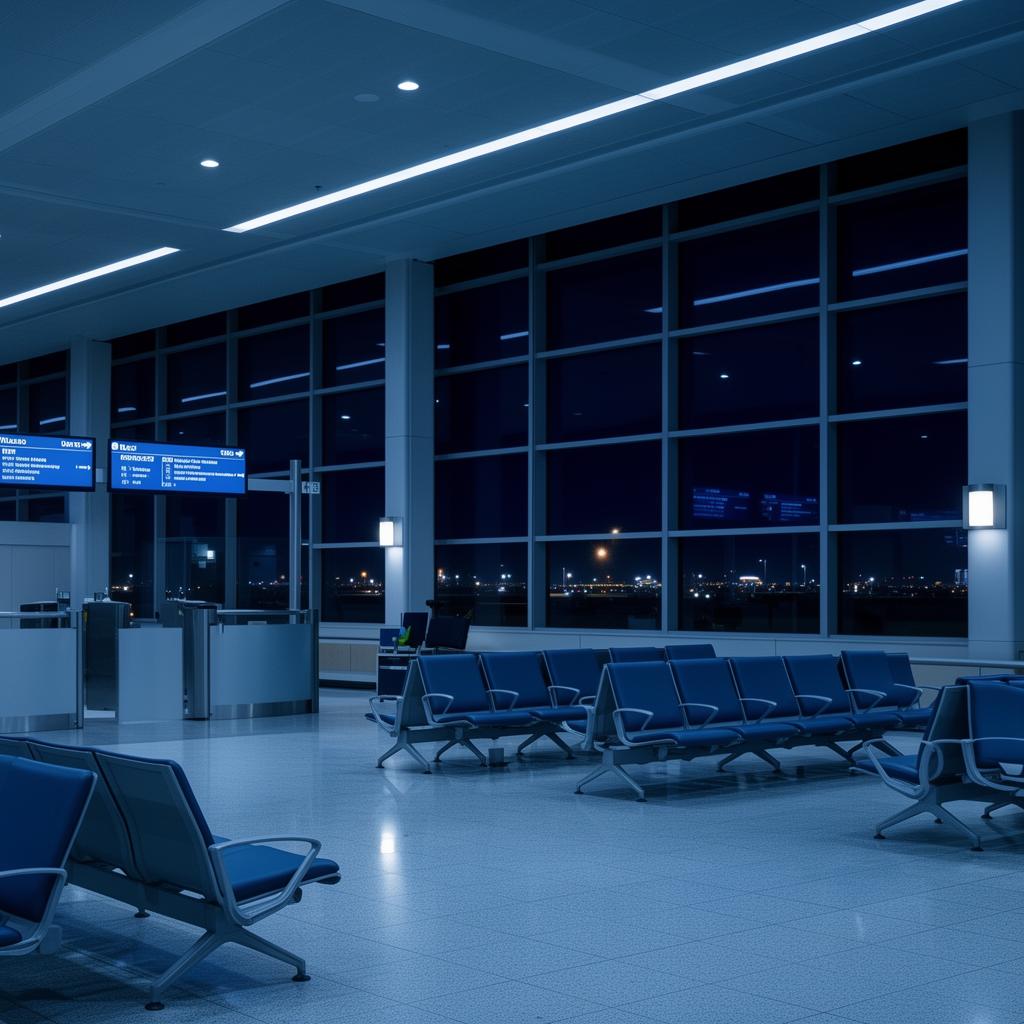
Scout the terminal before you commit
Not all airport sleeping spots are equal. International terminals are quieter than domestic hubs. Gates at the end of concourses have less foot traffic. Look for carpeted areas near unused gates; the carpet insulates sound and is softer than tile. Avoid spots near restrooms, food courts, and security checkpoints. The smell and noise are relentless.
The best airport sleep zones
Many airports have designated rest zones, yoga rooms, or quiet rooms. Search the airport website before you arrive. Some terminals have reclining chairs in paid lounges that are worth the day-pass fee. If you have lounge access, ask about nap pods or private rest suites. Changi, Helsinki, and Munich are famous for sleep-friendly design. Even budget terminals usually have one dark corner near a closed gate.
Safety and belongings
Use your carry-on as a pillow or footrest so you are physically connected to your bags. Thread your arm through a backpack strap. Keep valuables in a front pocket or money belt. Do not sleep near exits where draft and noise spike. Set multiple alarms. Airport announcements are unreliable for wake-up calls. A vibrating alarm on your wrist or phone is more dependable.
Temperature and light control
Airports are bright and cold. An eye mask and travel blanket are non-negotiable. Wear layers you can add or remove. If you do not have a blanket, layer two shirts and use your jacket as a lower-body cover. Some terminals turn off overhead lights after midnight; others never do. Know before you go by checking airport reviews on sleepinginairports.net.
Food and hydration
Airport food is salty and dehydrating, which disrupts sleep. Drink water before you try to rest. Avoid caffeine after 2 p.m. local time. If you need a snack, choose nuts or fruit over chips or pastries. A full stomach makes you sleepy but a heavy meal reduces sleep quality. Eat light if your goal is real rest.
Neck support when benches are the only option
Airport benches have no headrest and no recline. Your head drops forward or sideways, and you wake up with a crick that lasts the entire next flight. A proper travel pillow is the only way to sleep on a bench without injury. The Nodless travel pillow adjusts to wrap, stack, or cradle your head on any surface. It is the difference between a painful layover and a productive one.
Get airport-sleep ready with the travel pillow built for any surface.