How to Sleep Better on Overnight Trains
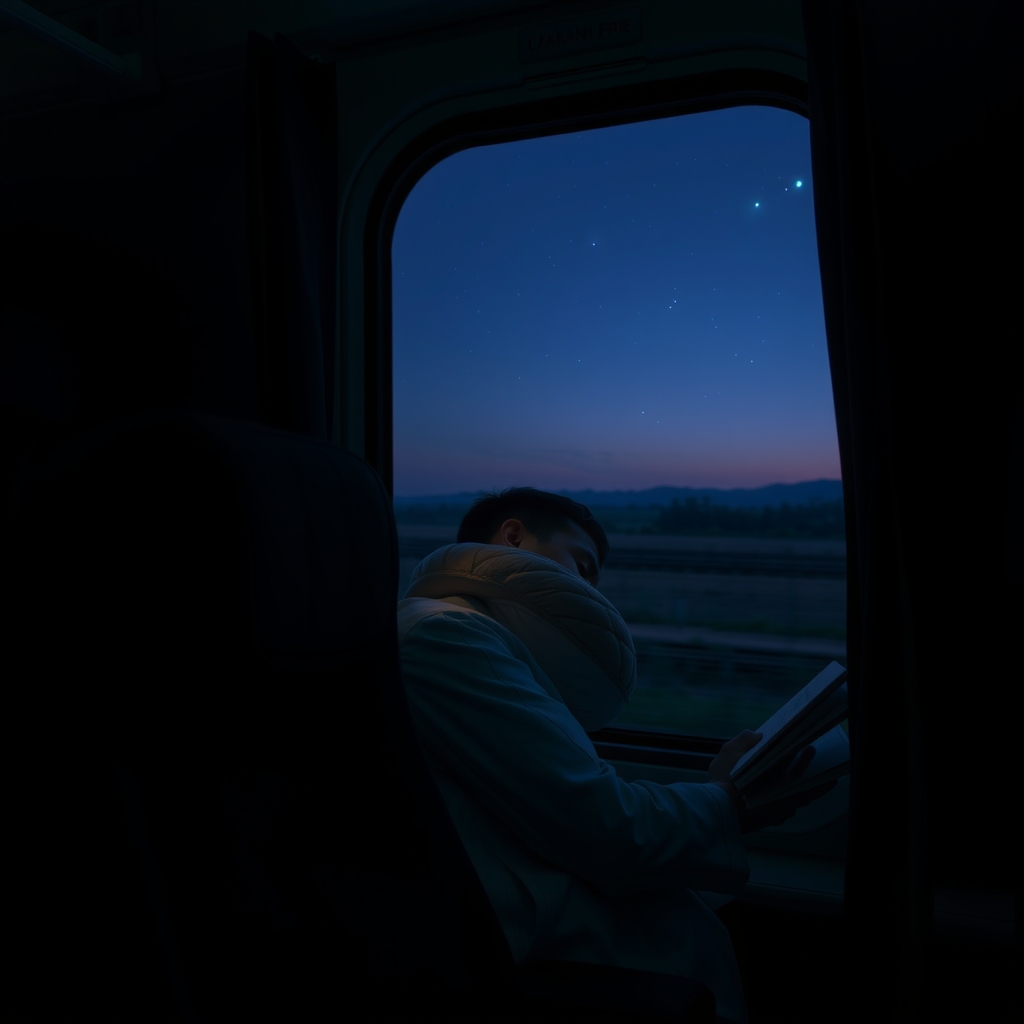
To sleep better on an overnight train, match your ticket to how much rest you need, then manage light, noise and head support. A private sleeper room gives you a real bed with bedding. A coach seat can work too if you bring earplugs, an eye mask, a warm layer and a pillow that holds your head steady.
Sleeper, couchette or seat: which should you book?
Your ticket decides most of your night. On Amtrak, a Roomette has two seats that turn into upper and lower beds at night, with bedding, pillows, towels and linens, plus access to shared restrooms and showers. A Bedroom has about twice the space and adds a private sink, toilet and shower.
Amtrak says its private rooms also include meals onboard, an attendant who offers turndown service, priority boarding and lounge access at major stations. Coach is the budget choice. Amtrak describes its average coach seat as 23 inches wide, with generous legroom and the ability to recline.
In Europe, some night trains add a middle option. ÖBB's Nightjet, for example, sells seats, couchettes and sleeping cars. A couchette is a bunk in a shared compartment of four or six, and the attendant provides a sheet, blanket and pillow for each passenger. Compartments are not always single-sex, and it is normal to sleep in your clothes, taking off only your shoes.
A quick way to decide
- Book a bed if you need to work, drive or explore soon after you arrive, or if you are a light sleeper.
- Book a couchette if you want to lie flat and do not mind sharing a compartment.
- Book a seat for a shorter overnight leg or a tight budget, and pack a proper sleep kit.
How do motion and noise affect sleep on a train?
Trains sway, brake and stop at stations through the night. If motion bothers you, the CDC suggests choosing a window seat on trains. It also notes that lying down, shutting your eyes or sleeping can help with motion sickness, which is one more point in favor of a bed.
Noise comes from the railroad itself, not just from other passengers. In the United States, a federal rule generally requires locomotive horns to start sounding 15 to 20 seconds before a train enters a public road crossing, in a pattern of two long blasts, one short and one long, except in designated quiet zones. Station announcements, doors and footsteps add to it.
That is why earplugs and an eye mask earn their place. Amtrak recommends both for sleeping in coach, and it calls the Quiet Car, where a train has one, the best coach choice for a night with the fewest disruptions. If you are unsure a mask is worth packing, read our look at whether sleep masks help you fall asleep faster.
What should you bring for a night on the train?
Pack one small bag that stays with you at your seat or berth, separate from your main luggage. These items cover most of what a night on the rails throws at you:
- Earplugs and an eye mask for horns, announcements and platform lights.
- A soft blanket or warm layer. Amtrak suggests a blanket for sleeping in coach.
- Loose, breathable clothes you can sleep in, which matters most in a shared couchette.
- Water and a few snacks. Amtrak suggests both, to stay comfortable and hydrated through the night.
- A neck pillow if you will sleep sitting up. Amtrak says it can make a huge difference in coach.
- A pouch for essentials: phone, charger, glasses, medication and ID, within reach in the dark.
For more small fixes once you are on board, see our train travel sleep hacks. They pair well with the setup below.
How should you position a pillow in a train seat?
Start by reclining the seat and sitting all the way back, so the seat carries your weight instead of your neck. Then set the pillow for the way your head actually falls when you doze.
- Window seat: lean toward the wall and put the pillow between your head and the window frame, so your head rests instead of sliding.
- Aisle seat: keep your head centered against the headrest, since there is nothing to lean on and you want to stay clear of the aisle.
- If your chin drops forward: you need support in front, not just at the sides. With a U-shaped pillow, try turning it so the thick part sits under your chin.
A pillow that wraps all the way around your neck covers forward and sideways drops at once. The Nodless Travel Pillow takes that approach, with 360-degree chin and neck support and an adjustable closure you can set snug but comfortable. Before you settle in, stand up and stretch for a minute. Amtrak notes that standing in the aisle to stretch is totally normal.
How can you set up a sleeper room for a better night?
If you booked a room, use the evening to get ready. Ask your attendant when they plan to make up the beds, and change before then. If you share a Roomette, agree on who takes the upper bunk, since the lower bed is easier to reach at night.
Keep water, glasses, earplugs and your phone in one pouch by your pillow. Close the curtain fully before the first station stop. Set a quiet alarm if your stop comes early, and tell your attendant where you are getting off.
Frequently asked questions
Is a sleeper room worth it for one night?
It depends on what you need the next day. A sleeper gives you a bed, bedding and privacy, and Amtrak includes meals and an attendant with its private rooms. If you have to work, drive or explore soon after you arrive, a bed is often worth the extra cost. If you can take it easy the next day, a coach seat with a good sleep kit may be enough.
Can you really sleep in an Amtrak coach seat?
Yes, with some planning. Amtrak's average coach seat is 23 inches wide, with legroom and a recline, and the railroad suggests a neck pillow, earplugs, an eye mask, a blanket and loose clothing for the night. Pick the Quiet Car if your train has one. Expect some interruptions from stops and horns, and plan an easy first morning.
What is a couchette?
A couchette is a bunk in a shared compartment on a night train, found on some European routes. Compartments usually hold four or six bunks, and the attendant provides a sheet, blanket and pillow for each passenger. Compartments are not always single-sex, and it is normal to sleep in your clothes. It lets you lie flat without booking a private sleeper.
Which seat is best for motion sickness on a train?
The CDC suggests a window seat on trains if you are prone to motion sickness. Lying down, shutting your eyes or sleeping can also help, and looking at the horizon is another option while you are awake. If motion sickness is a regular problem for you, talk to your doctor before a long trip about what else might help.