How to Nap Safely During a Long Layover
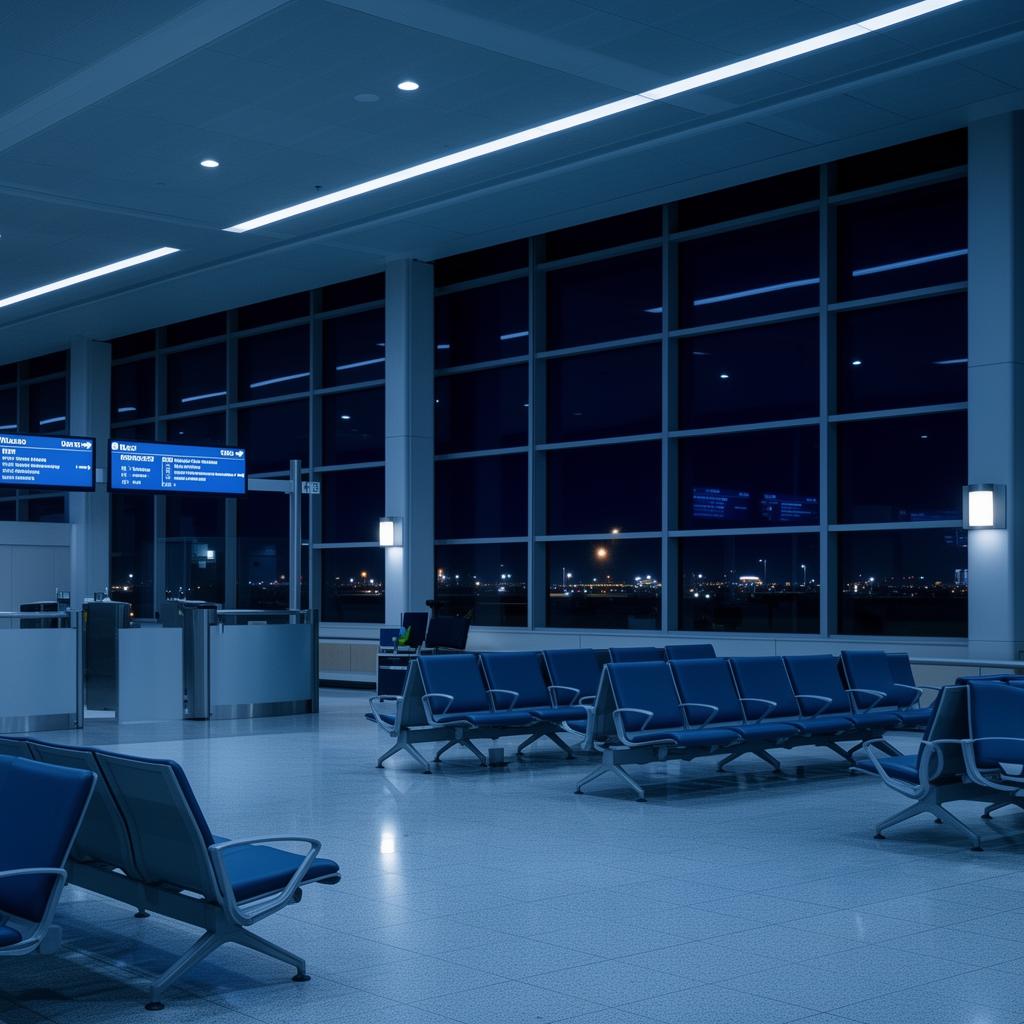
To nap safely on a long layover, rest after security near your departure gate, in a spot where staff and other travelers can see you. Keep your valuables in a bag you wear or hold, set two alarms timed to boarding rather than departure, and check your gate before you close your eyes.
Where is the safest place to nap in a terminal?
Stay on the secure side of the checkpoint if you can. It keeps you close to your gate and spares you a second trip through security screening. Leaving the secure area means being screened again, so only do it if your layover leaves plenty of time.
Pick a spot that is well lit, within sight of a gate desk or other travelers, and out of walkways. A quiet corner of a nearby gate is usually a better choice than an empty, far-off concourse, where no one would notice if something went wrong. For comfort ideas, see our guide to sleeping in airports comfortably.
- Choose a seat near your own gate, or a quieter one close by.
- Sit with your back to a wall or pillar, so your bags are in front of you.
- Keep clear of aisles, doors and charging stations.
How do you protect your belongings while you sleep?
Assume you will sleep more deeply than you plan. Put your passport, wallet and phone in an inside pocket or a zipped bag worn across your body, not in an outside pocket. Loop the strap of your carry-on around your arm or leg, so you are likely to notice if someone moves it.
Never walk away from your bags, even for a minute. The TSA counts on travelers to report unattended bags and packages, so a bag left alone can be reported and treated as a security concern. If you need the restroom, take everything with you.
How should you set alarms for a layover nap?
Set two alarms on two devices, such as your phone and a watch, so a dead battery or a muted phone cannot cost you the flight. A vibrating alarm on your wrist is easy to feel without waking everyone nearby. Charge your phone before you sleep, and keep it on you, not in your bag.
Time the alarm to boarding, not departure. Work back from when boarding starts, then add time to use the restroom, refill water and walk to the gate if you moved. Check that your phone's clock matches the departure board before you rely on it.
How much time do you need before boarding?
Airlines close boarding before departure, and cutoffs differ. As of September 2026, Delta requires customers on U.S. domestic flights to be at the gate and ready to board 15 minutes before scheduled departure. For international flights, Delta recommends being at the gate and ready to board 45 minutes before scheduled departure.
Other airlines set their own rules, so check your airline's app or website for your flight. Boarding begins before these cutoffs, so plan to be awake, packed and at the gate when boarding starts, not at the last call.
How do you avoid missing a gate change?
Gates change, sometimes while you sleep. Before you nap, turn on flight notifications in your airline's app and check the departure board. When your alarm goes off, check both again before you head to the gate.
If your layover is long, set a midpoint alarm too. A quick check halfway through lets you catch changes early and move closer to a new gate while there is still time.
What helps you rest in a busy terminal?
Terminals can be bright and loud at any hour. NIOSH, the CDC's workplace safety institute, suggests an eye mask when light is hard to avoid and soft earplugs when your surroundings are noisy. Because your alarms do the waking, you do not need to hear every announcement.
Gate seats with fixed armrests make lying down hard, so plan to rest upright. A pillow that supports your chin and neck, such as the Nodless Travel Pillow, helps you sleep sitting up in a gate chair. For more on making the most of the time, read the art of the airport nap.
Frequently asked questions
Is it safe to sleep in an airport during a layover?
It can be, if you plan for it. Stay on the secure side near your gate, choose a well-lit spot where staff and other travelers can see you, and keep your valuables in a bag you wear. Set two alarms timed to boarding, and check your gate before and after you sleep. Never leave your bags unattended.
How early should I wake up before a connecting flight?
Wake up before boarding starts, not before departure. Airlines close boarding ahead of departure: as of September 2026, Delta requires customers on U.S. domestic flights to be at the gate 15 minutes before departure, and recommends 45 minutes for international flights. Add time for the restroom, water and the walk to your gate, and check your own airline's rules.
What should I do with my bags while I nap?
Keep them in contact with you. Wear valuables in a zipped bag across your body, loop your carry-on strap around an arm or leg, and sit with your bags in front of you. Do not leave them to go anywhere, even briefly. The TSA asks travelers to report unattended bags, so a bag left alone can quickly become a security issue.
Should I leave the secure area during a long layover?
Only if you have plenty of time. Leaving means going back through security screening before your next flight, and wait times can be hard to predict. If you do leave, check your airline's boarding cutoff, keep your boarding pass handy, and give yourself a generous buffer to return. On shorter layovers, staying near your gate is the safer choice.