How to Choose a Hotel Room That Actually Lets You Sleep
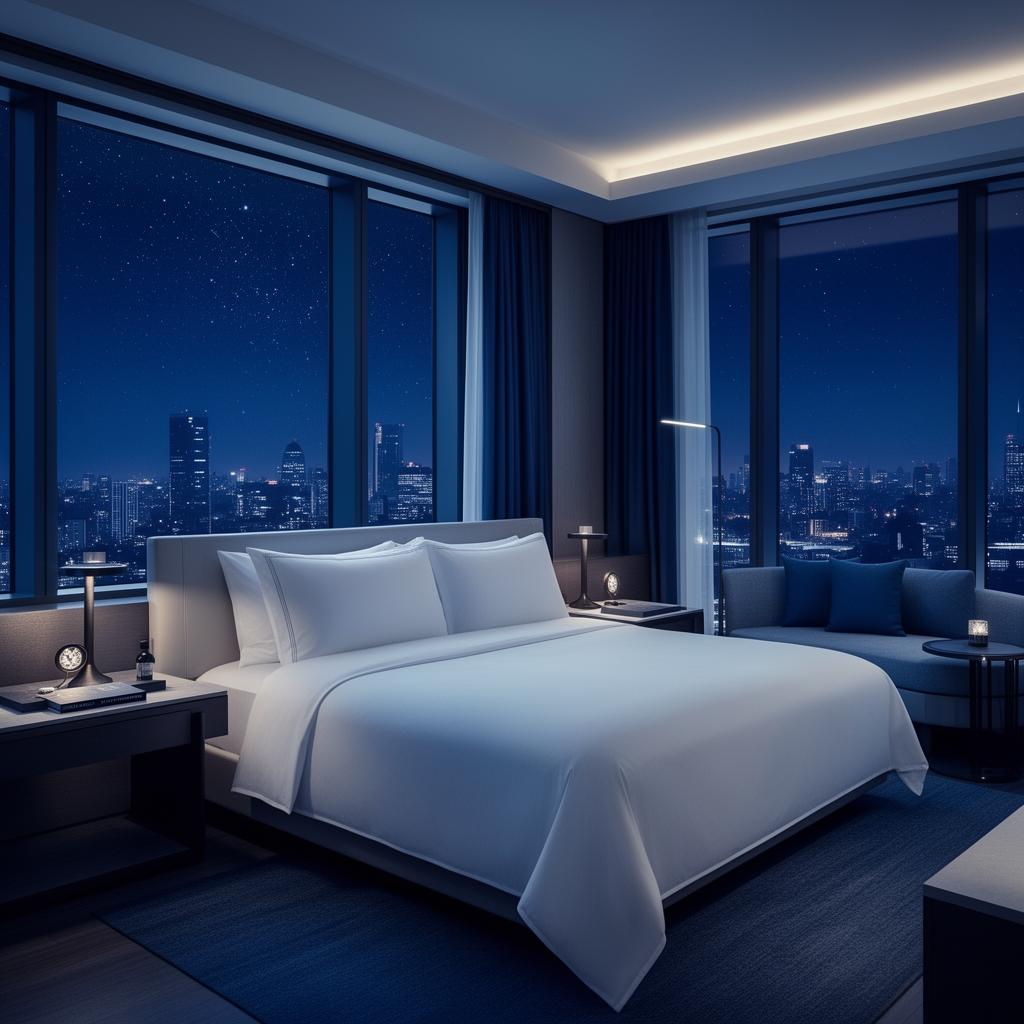
Ask for a mid‑range floor, a view that faces a quiet interior or garden, and a room set back from the elevator and service hallway. Avoid rooms that look out onto busy streets, sit directly above noisy equipment, or are right next to the front desk. With those basics covered, you’ll give yourself a much better chance of actually sleeping.
Which floor gives the quietest sleep?
Lower floors are closer to street traffic and lobby activity, so they tend to pick up more noise (S2). Mid‑range floors often balance distance from street noise and stay away from rooftop equipment, making them a good choice for quieter sleep (S4). When you check in, ask for a room on a middle floor and specify that you prefer a location away from the elevator shaft.
- Mid‑range floors balance distance from street noise and mechanical systems.
- Higher floors can be quieter but may expose you to wind or rooftop HVAC sounds.
- Lower floors are convenient but often pick up traffic and foot traffic from the lobby.
How does the view affect my rest?
A room that looks out onto a busy street, a parking lot, or a construction site can keep your brain alert. A view of a garden, courtyard, or quiet interior wall reduces visual stimulation and helps your mind unwind. If a city skyline is your only option, request blackout curtains or bring an eye mask.
- Choose a view that faces a quiet interior or green space.
- Avoid rooms that look directly at traffic or loading docks.
- Use blackout curtains or an eye mask if you cannot change the view.
What hallway location should I request?
Rooms next to the service elevator or housekeeping closets experience frequent door openings and cart traffic. A room set back a few doors from the main hallway reduces these interruptions. When you arrive, ask the front desk for a room “away from the elevator and service areas.”
- Rooms at the end of a corridor tend to be quieter.
- Avoid rooms directly opposite the main entrance or near the maid’s station.
- Ask for a door that opens inward to reduce drafts and hallway noise.
What common hotel noises should I expect?
Common noise sources in hotels include traffic, airplanes, construction, and lawn care, which can disrupt sleep (S2). High noise levels can contribute to cardiovascular problems and reduce overall sleep quality (S3). Knowing what to expect helps you plan better mitigation strategies.
- Street traffic and delivery trucks outside lower‑level rooms.
- Airplane fly‑over paths near airports.
- Construction or renovation work on adjacent floors.
- Lawn‑care equipment in hotel grounds early morning.
How does soundproofing work in hotels?
Hotels that invest in soundproofing use distance, decoupling, and noise‑absorbing barriers to keep outside sounds out. Increasing the distance between the source and the receiver reduces unwanted sound (S5). Noise‑absorbing barriers such as heavy curtains or acoustic panels improve quiet (S4). Decoupled walls prevent vibrations from traveling through the structure (S4). Look for rooms that mention double‑glazed windows or sound‑blocking walls.
- Distance between the noise source and the bedroom is a natural buffer.
- Heavy curtains, carpet, and acoustic panels act as absorbers.
- Decoupled or staggered stud walls limit vibration transmission.
How to keep your sleep environment comfortable?
Good sleep hygiene is essential, even when you’re away from home. Use the bed only for sleep and intimacy, and avoid alcohol, nicotine, and caffeine close to bedtime. Keep the room dark, cool, and tidy. Maintaining a consistent bedtime and light exposure helps keep your circadian rhythm aligned while traveling (S6). Good hygiene practices, including a clean sleeping environment, support better rest (S7).
- Use the bed only for sleep and sex, avoid alcohol, nicotine, caffeine before bedtime, and keep the room peaceful, comfortable, and dark (S1).
- Maintain a consistent bedtime and light exposure to support your circadian rhythm (S6).
- Good hygiene practices, including a clean sleeping environment, support better rest (S7).
For an extra boost of comfort, the Nodless Travel Pillow offers 360‑degree neck support that can make even a modest hotel bed feel more like home. If you’re curious about common myths around travel pillows, see our guide Seven Travel Pillow Myths That Stop You From Sleeping on Planes. And if a layover is part of your itinerary, check out The Quietest Airports for a Layover Nap for tips on finding a peaceful spot.
Frequently asked questions
Can I request a quiet room in advance?
Yes. Most hotels note special requests on your reservation. Mention “quiet room, mid‑floor, away from elevator” when you book or call the front desk before arrival.
Do blackout curtains really help?
They block external light and reduce visual cues that can keep you alert. Pair them with an eye mask if the curtains are not fully opaque.
Is it worth paying extra for a sound‑proofed room?
If you know you are a light sleeper, the added cost can be worthwhile. Sound‑proofed rooms often feature double‑glazed windows and thicker walls, which align with proven sound‑reduction methods (S4, S5).
Should I bring my own white‑noise device?
A small white‑noise app on your phone can mask residual sounds. It’s a low‑tech supplement to the hotel’s built‑in soundproofing.
How do I keep my room clean without extra effort?
Wipe down high‑touch surfaces with disinfectant wipes when you arrive, and keep personal items off the floor. A tidy space supports good hygiene and better sleep (S7).