The Hidden Costs of Poor Sleep While Traveling
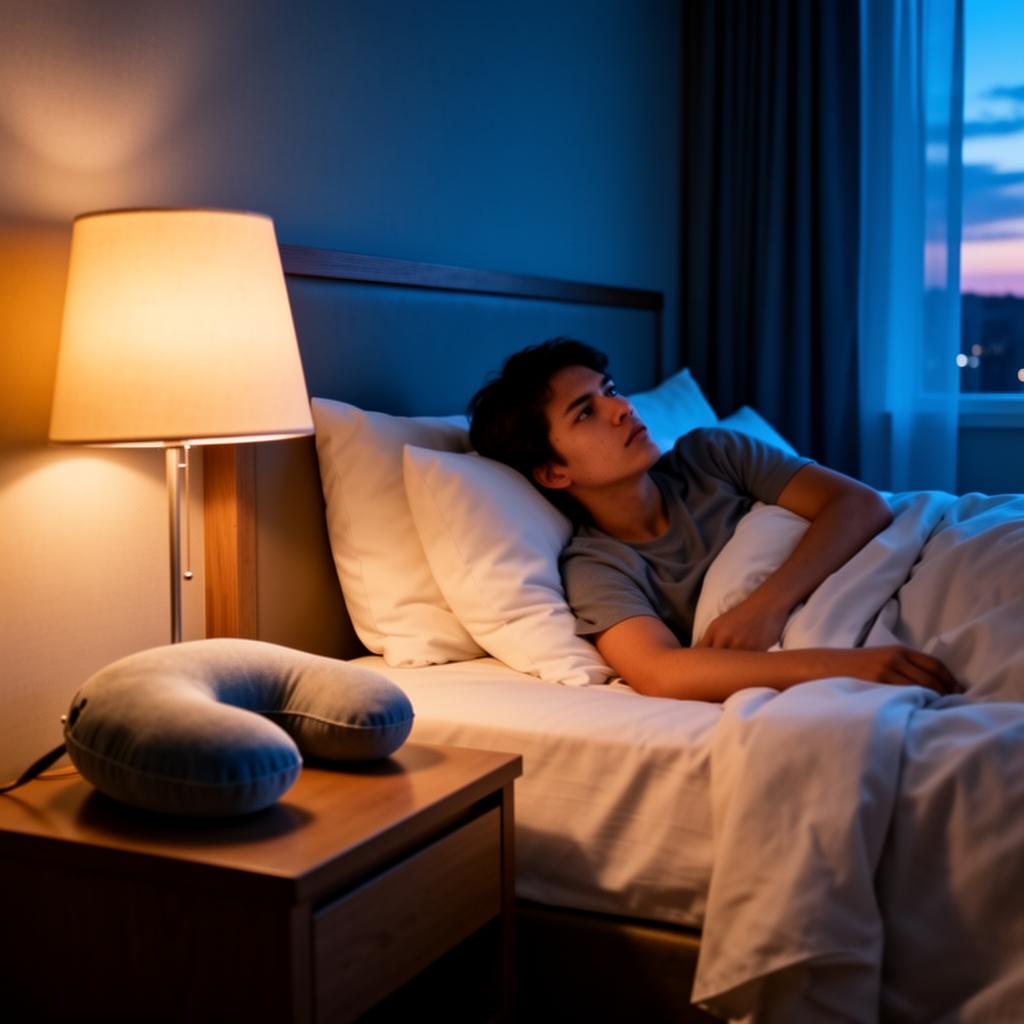
Poor sleep on a trip costs more than a groggy morning. Short sleep slows your reactions, clouds decisions, makes emotions harder to manage and may weaken your defenses against common infections. The most dangerous cost shows up behind the wheel: being awake for 24 hours impairs you about as much as a 0.10 percent blood alcohol level.
How much sleep do you need, and why do trips cut into it?
The CDC recommends 7 or more hours of sleep a night for adults aged 18 to 60. Trips chip away at that total in small ways: an early flight, a red-eye, a late check-in, a noisy room or a new time zone.
Crossing time zones adds its own layer. The CDC's Yellow Book describes jet lag disorder, which can follow travel across at least two time zones, as bringing sleep disturbances, daytime sleepiness, cognitive impairment, general malaise and stomach upset. Even without jet lag, small losses add up.
The National Heart, Lung, and Blood Institute (NHLBI) notes that after several nights of losing sleep, even a loss of just 1 to 2 hours per night, your ability to function suffers as if you had not slept at all for a day or two. A week of slightly short nights on vacation is not harmless.
Why is drowsy driving such a serious risk?
Many trips end with a drive: from the airport, to the hotel, or home after a long weekend. NIOSH, the CDC's workplace safety institute, explains that being awake for 17 hours is similar to a blood alcohol concentration of 0.05 percent, and being awake for 24 hours is similar to 0.10 percent. That is above the 0.08 percent legal driving limit in every U.S. state except Utah, where the limit is 0.05 percent. A red-eye followed by a rental car can put you in that range.
Sleep loss can also cause microsleep. The NHLBI describes microsleep as brief moments of sleep that happen when you are normally awake, and notes that you cannot control it and might not be aware of it. If you have ever driven somewhere and not remembered part of the trip, you may have had one.
Tricks do not fix it. NIOSH warns that if you are very sleep deprived, caffeine and a short nap still might not keep you awake enough to drive safely. It also says that if you are rolling the window down or turning up the radio to stay awake, you are already impaired enough to cause a crash.
- Plan your first long drive after a full night of sleep, not after a red-eye.
- Use a shuttle, train or ride service from the airport when you arrive exhausted.
- Share the driving, and swap before you feel drowsy, not after.
How does short sleep affect mood and judgment?
Travel is full of small decisions: which exit, which platform, when to leave for the airport. The NHLBI says that when you are sleep deficient, you may have trouble making decisions, solving problems, controlling your emotions and behavior, and coping with change. It also notes that sleep-deficient people take longer to finish tasks, react more slowly and make more mistakes.
On a trip, that can look like a missed connection, a forgotten passport or a sharp word with a travel partner over a delayed train. The CDC lists less stress, a better mood and better attention and memory among the benefits of getting enough sleep, so protecting your sleep protects the trip itself.
Can poor sleep make you sick on vacation?
It can leave you more vulnerable. The NHLBI notes that if you are sleep deficient, you may have trouble fighting common infections, and the CDC lists getting sick less often among the benefits of enough sleep. Travel days already bring crowds and close quarters, so sleep is one factor you can control. If you have a health condition that poor sleep tends to worsen, or if sleep problems continue after you get home, talk to your doctor.
How can you protect your sleep on the road?
- Keep your schedule close to home. The CDC suggests going to bed and getting up at the same time every day.
- Make the room dark, quiet and cool. NIOSH recommends about 65 to 68 degrees Fahrenheit for most people, an eye mask if light is hard to avoid and soft earplugs if it is noisy.
- Put screens away. The CDC suggests turning off electronic devices at least 30 minutes before bedtime.
- Build in buffer time. Avoid scheduling a long drive or an important meeting right after an overnight trip.
- Rest in transit when you can. A pillow that supports your chin and neck, such as the Nodless Travel Pillow, makes upright naps on planes, trains and buses easier.
If a bad night does happen, our guide to recovering from a bad night of travel sleep can help you get back on track. For the emotional side of rest on the road, see travel comfort and mental health.
Frequently asked questions
How much sleep do adults need while traveling?
The same as at home. The CDC recommends 7 or more hours a night for adults aged 18 to 60. Travel makes that harder to reach, so plan for it: book flights that protect your usual sleep window when you can, keep bed and wake times close to normal, and make your room dark, quiet and cool.
Is it safe to drive after a red-eye flight?
It is risky. If you have been awake about 24 hours, NIOSH says your impairment is similar to a 0.10 percent blood alcohol level. That is above the 0.08 percent legal limit in every U.S. state except Utah, which uses 0.05 percent. You cannot control microsleeps, and caffeine plus a short nap may not be enough. Take a shuttle, ride service or train instead, or sleep before you drive.
Does losing an hour or two of sleep each night add up?
Yes. The NHLBI notes that after several nights of losing sleep, even just 1 to 2 hours per night, your ability to function suffers as if you had not slept at all for a day or two. On a week-long trip, short nights can quietly stack up. Protect at least a few full nights, especially before long drives.
Can lack of sleep weaken your immune system?
Sleep and your defenses are linked. The NHLBI says that if you are sleep deficient, you may have trouble fighting common infections, and the CDC lists getting sick less often among the benefits of enough sleep. On a trip, where crowds and close quarters are hard to avoid, good sleep is one defense you can control.
Sources
- CDC: About Sleep
- NHLBI: Sleep Deprivation and Deficiency: How Sleep Affects Your Health
- CDC NIOSH: Impairments Due to Sleep Deprivation Are Similar to Impairments Due to Alcohol Intoxication
- NHTSA: Drunk Driving
- CDC NIOSH: Driving, Preventing Crashes
- CDC Yellow Book: Jet Lag Disorder
- CDC NIOSH: Improve Sleep: Tips to Improve Your Sleep When Times Are Tough