Camping vs Hotel Sleep: How to Rest Well in Both
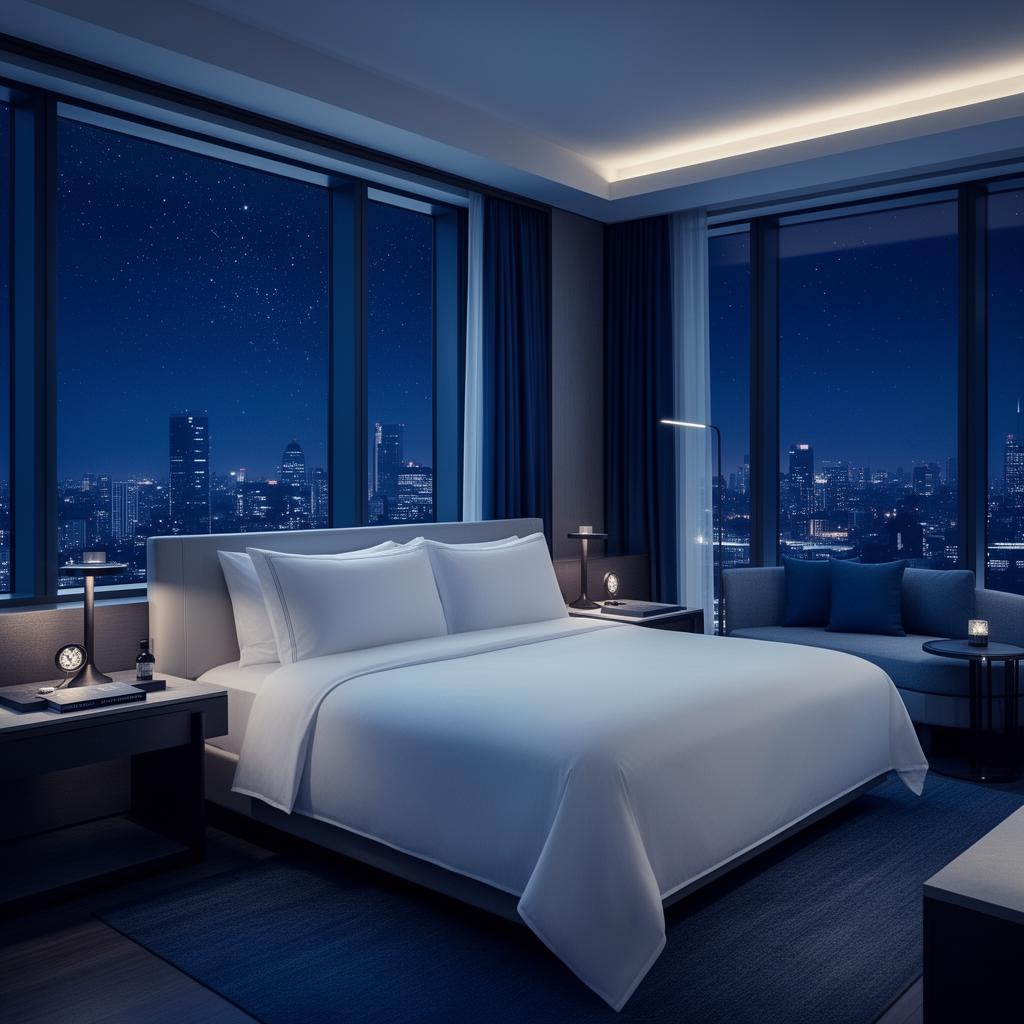
Good sleep in a tent and in a hotel room comes from the same four things: a comfortable temperature, darkness, quiet and support. What changes is how you get them. In a tent, the cold ground and the sunrise are your main challenges. In a hotel, it is the thermostat, hallway noise and unfamiliar pillows.
How do you get the temperature right?
For a room, the target is simple. NIOSH, the CDC's workplace safety institute, recommends a comfortably cool room, about 65 to 68 degrees Fahrenheit for most people, with covers. In a hotel, set the thermostat as soon as you check in, so the room has time to cool before bed. Our look at how temperature affects sleep quality while traveling goes deeper.
In a tent, the ground pulls heat from your body. A sleeping pad's main purpose is to stop that loss of body heat into the ground, and its warmth is described by its R-value: the higher the number, the warmer the pad. Your sleeping bag cannot do this job alone, because your body weight crushes the insulation underneath you, so a pad matters most in cold weather.
Choose a bag by its comfort rating, not its lowest number. Under the ISO 23537 standard, the comfort rating is based on a standard adult woman sleeping comfortably, and the lower limit on a standard adult man curled up and just not feeling cold. The extreme rating is a survival-only figure that you should not rely on for normal use.
One firm rule: never heat a tent with fuel. The U.S. Consumer Product Safety Commission warns never to use fuel-burning portable heaters or lanterns while sleeping in enclosed areas such as tents, campers and vehicles, because of the risk of carbon monoxide poisoning.
How do you control light?
Camping changes your body clock. In a small 2013 University of Colorado Boulder study, eight people spent a week camping with only sunlight and campfire light. Researchers found that their biological night began near sunset and ended at sunrise, that it started about two hours earlier than when they lived under electric light, and that they took in about four times the light intensity of their normal lives.
So expect to feel sleepy earlier and to wake with the dawn. If you want to sleep past first light, bring an eye mask, which NIOSH suggests when light is hard to avoid. In a hotel, the problem is the opposite: close the blackout curtains fully and cover or turn away glowing clocks and standby lights.
How do you manage noise?
NIOSH recommends soft earplugs when your sleep environment is noisy, and they belong in both bags. At a campground, pick a site away from roads, restrooms and busy group sites, and face the tent door away from the main path.
In a hotel, ask for a room away from elevators, ice machines and the street. Some people like a fan or a white noise app to soften hallway sounds. Our guide to building a sleep-friendly hotel room anywhere has more room-by-room fixes.
How do you get good support in a tent and a hotel?
In a tent, support starts with the pad, which also puts a layer between you and rocks, roots and cold ground. Do not skip a pillow: a camp pillow or a stuff sack filled with soft clothes both work.
In a hotel, pillows are a gamble. Stack or fold them until your neck feels level with your spine, or ask the front desk for a firmer or softer one. On the drive to either place, a passenger can rest upright with a travel pillow such as the Nodless Travel Pillow, which gives 360-degree chin and neck support.
Before you unpack in a hotel, take a minute to check for bed bugs. The EPA advises checking the mattress and headboard before sleeping, and using the luggage rack rather than setting bags on the bed or the floor.
Camping vs hotel: a quick comparison
- Temperature: in a tent, a pad with a suitable R-value and a bag with the right comfort rating; in a hotel, a thermostat set to about 65 to 68 degrees Fahrenheit.
- Light: in a tent, an eye mask for the early dawn; in a hotel, blackout curtains and covered standby lights.
- Noise: in a tent, a quiet site and earplugs; in a hotel, a room away from elevators, plus earplugs.
- Support: in a tent, a pad and a real pillow; in a hotel, pillows adjusted to fit you.
- Safety: in a tent, no fuel-burning heaters or lanterns while you sleep; in a hotel, a quick bed bug check.
Frequently asked questions
What temperature is best for sleeping in a hotel room?
NIOSH recommends a comfortably cool room, about 65 to 68 degrees Fahrenheit for most people, with covers. Set the thermostat when you check in, so the room has time to cool before bed. If you cannot get the room cool enough, ask for a fan, sleep under lighter covers and keep the curtains closed during the day.
Why do I wake up so early when camping?
Natural light shifts your body clock. In a 2013 University of Colorado Boulder study, eight people who camped for a week with only sunlight and campfire light saw their biological night begin near sunset and end at sunrise, with its start about two hours earlier than under electric light. An eye mask can help if you want to sleep past dawn.
Is it safe to use a heater in a tent?
Not a fuel-burning one. The U.S. Consumer Product Safety Commission warns never to use fuel-burning portable heaters or lanterns while sleeping in enclosed areas such as tents, campers and vehicles, because of the carbon monoxide risk. Stay warm with a sleeping pad, a bag rated for the conditions, dry layers and a warm hat instead.
What does a sleeping pad's R-value mean?
R-value describes a pad's warmth: the higher the number, the warmer the pad. That matters because a sleeping pad's main job is to stop your body heat from escaping into the ground, and the underside of a sleeping bag offers little insulation once your weight compresses it. For cold nights, choose a pad with a higher R-value.
Sources
- CDC NIOSH: Improve Sleep: Tips to Improve Your Sleep When Times Are Tough
- Wikipedia: Sleeping pad
- Wikipedia: Sleeping bag
- Wikipedia: R-value (insulation)
- CPSC: Portable Heaters and Camping Equipment
- University of Colorado Boulder: A Week's Worth of Camping Synchs Internal Clock to Sunrise and Sunset
- EPA: Bed Bugs: Tips for Travel