The Science of Jet Lag and How to Beat It
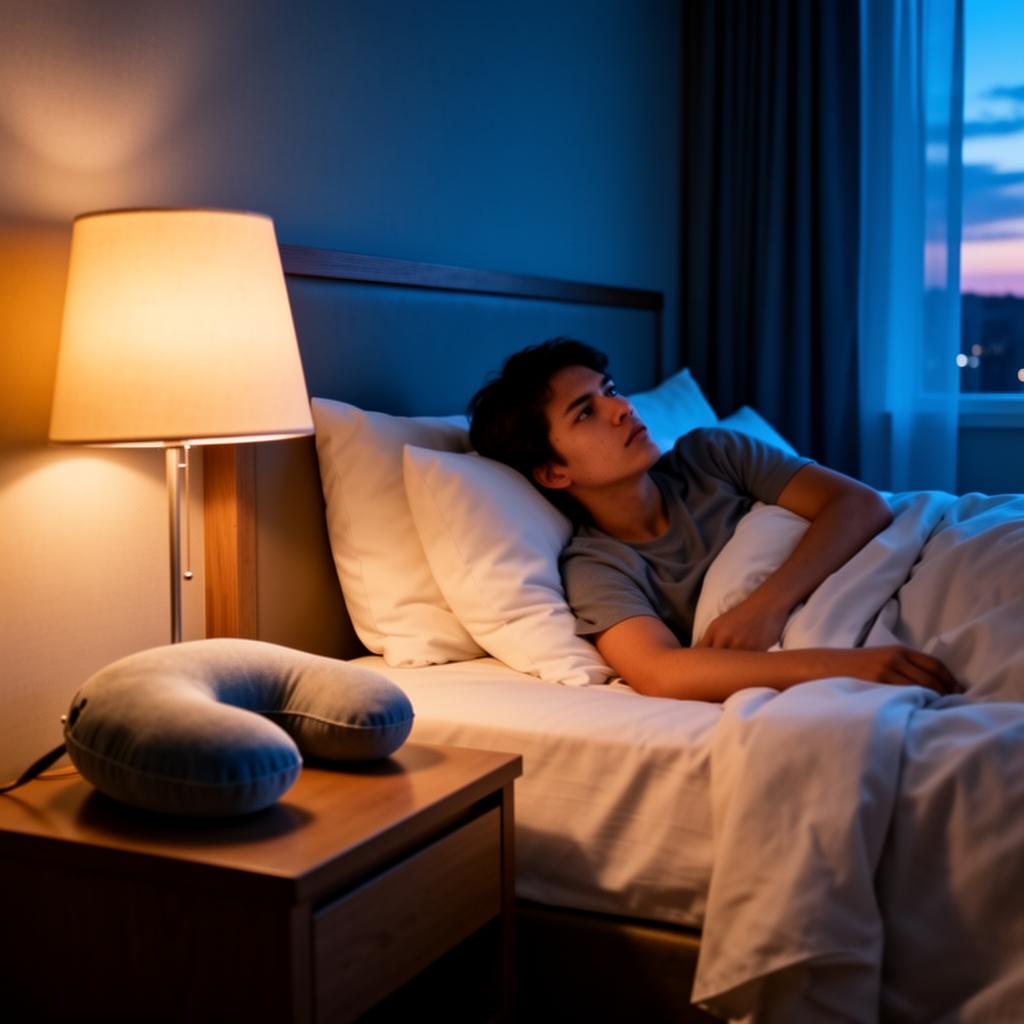
What Jet Lag Actually Does to Your Brain
Jet lag is not just tiredness. It is a full-body circadian crisis. Your brain expects sunrise at a certain time. Your stomach expects meals on a familiar rhythm. Your muscles expect activity and rest cycles that no longer match the local clock. The result is fog, irritability, and insomnia all at once.
Light Is the Main Lever
Your body resets its internal clock using light exposure more than any other signal. When you arrive, seek bright morning light immediately if you need to stay awake. Wear sunglasses indoors and dim your devices if you are trying to sleep earlier than your body expects. Light is medicine, and timing is the dosage.
Eat on Local Time
Your digestive system is deeply tied to your circadian rhythm. Eating a heavy meal at what your body thinks is midnight confuses everything. Shift your eating schedule toward local time as soon as you board, even if it means skipping the midnight snack on the plane.
Move Before You Sleep
Light exercise at your destination helps anchor your new schedule. A walk outside, stairs instead of elevators, or even stretching in your hotel room tells your muscles that the day has started. Avoid intense workouts late in the evening, as they can delay sleep onset.
Create a Portable Sleep Signal
The most effective travelers carry a sleep ritual with them. The same pillow, the same eye mask, the same pre-sleep breathing pattern. These cues bypass the confusion in your brain and tell your body directly: it is time to rest. The familiar beats the foreign, every time.
Explore More From Nodless
Every product from Nodless is built around one promise. Upgrading you to first class. Discover the Nodless Travel Pillow and full Nodless collection or read the story behind the brand on the Nodless about page.